 Credit

Suggested URL slug: /ai-that-will-draw-for-you
You want pictures. You don’t want the stress. Good news. In 2025, ai that will draw for you is not hype. It’s a workflow. It’s how creators publish faster and cleaner without “learning to draw” first. I’ve spent years testing AI art apps, from open ai art models to niche ai sketch generator tools. I’ll show you how to tell AI what to draw, how to fix the usual fails (weird hands, mushy eyes, low-res edges), and how Pixelfox AI solves the stuff that actually slows you down.
Here’s the plan. You’ll get a short, no-fluff guide to pick the right ai painter, a step‑by‑step method on asking artificial intelligence to draw accurate scenes and portraits, and pro moves like background swaps for e‑commerce and anime avatars that actually look like you. I’ll compare with Photoshop and a few popular online tools. You’ll see real cases, common mistakes, and a tight FAQ. Let’s make your first image in minutes, not months. 🚀
What does “ai that will draw for you” actually do?
The phrase looks simple. The tech behind it is not. An ai drawing application learns from lots of images and text. It maps words to pixels. When you ask AI to draw something, it predicts the next “best” pixels for each step. It stacks many guesses. It cleans noise. Then you get an image.
- “Open ai art” tools like DALL·E popularized text-to-image.
- Diffusion models power many tools now. They do better detail and style control.
- Some apps add inpainting. You point to a bad area. The AI fixes only that part.
- Others add style transfer. You give one style image and one target image. It blends the style into the target.
Industry note: According to Gartner, enterprise teams keep adopting generative AI for both content and design tasks. According to Nielsen Norman Group, clear feedback loops and simple controls help users trust AI more. That means good UX beats raw model power. You want tools that guide you, not walls of sliders.
The real problems people face (and what we’ll fix)
I read too many Reddit threads and X rants. They repeat the same pain:
- “I tell the AI to draw hands. It draws claws.”
- “My ai art app is fast. The output is soft and low-res.”
- “I cannot get one style across 10 images.”
- “I worry about rights. Can I use this in a store?”
- “I need bulk. I need avatars. I need a clean product background. Yesterday.”
We’ll solve this with a clear process. We’ll use Pixelfox AI as the core “artificial intelligence drawing app” because it snaps into real tasks. It has an AI Image to Sketch Converter, an AI Anime Generator, AI Style Transfer, AI Background Generator, and even AI Video Style Transfer when you want motion. That covers 90% of common jobs.
The best AI drawing tools in 2025 (free and paid)
You want choices. You also want guardrails. Here’s a stack that works, grouped by what they do well. I’ll be honest about trade‑offs.
1) Pixelfox AI: fastest path from idea to image (my go‑to)
- Good for: quick portraits, anime avatars, sketch look, style remixes, background swaps, light edits, short videos with style.
- Why it works: The tools are focused. You upload. The AI does the heavy lifting. No crazy setup. No code.
- Standouts:
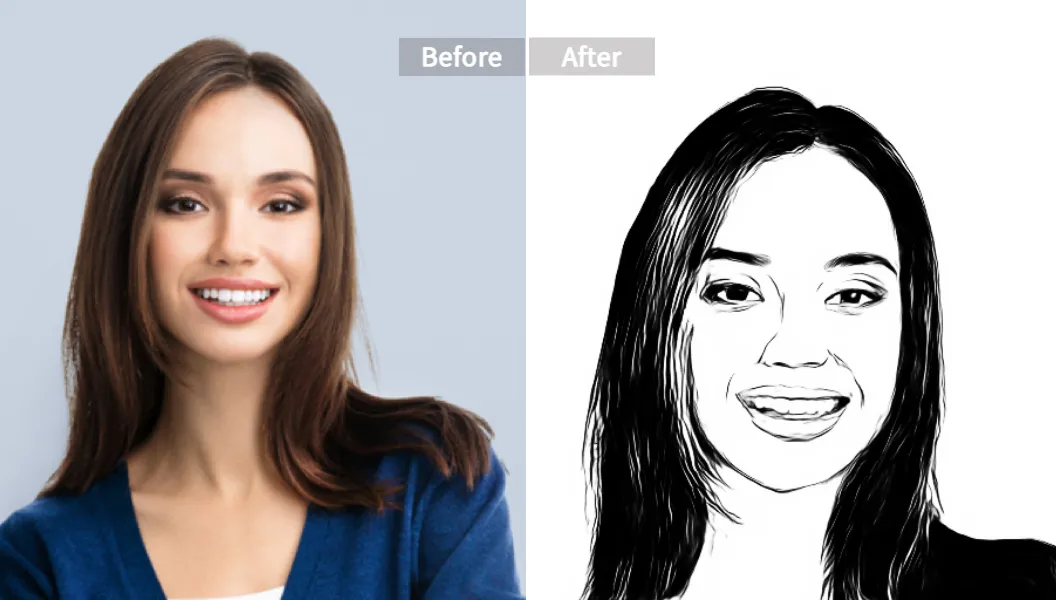
- AI Image to Sketch Converter: turns photos into hand‑drawn style with real pencil‑like shading. Great for profile pics, gifts, and print.
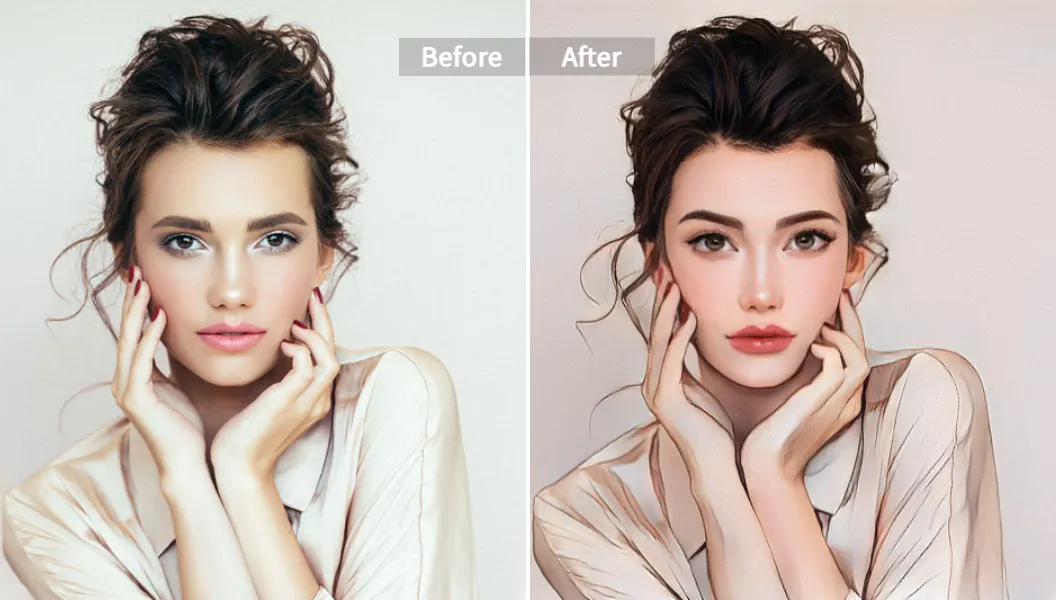
- AI Anime Generator: 9 custom styles like Manga and 3D. It keeps your face and expression. It supports up to 5 people in one photo.
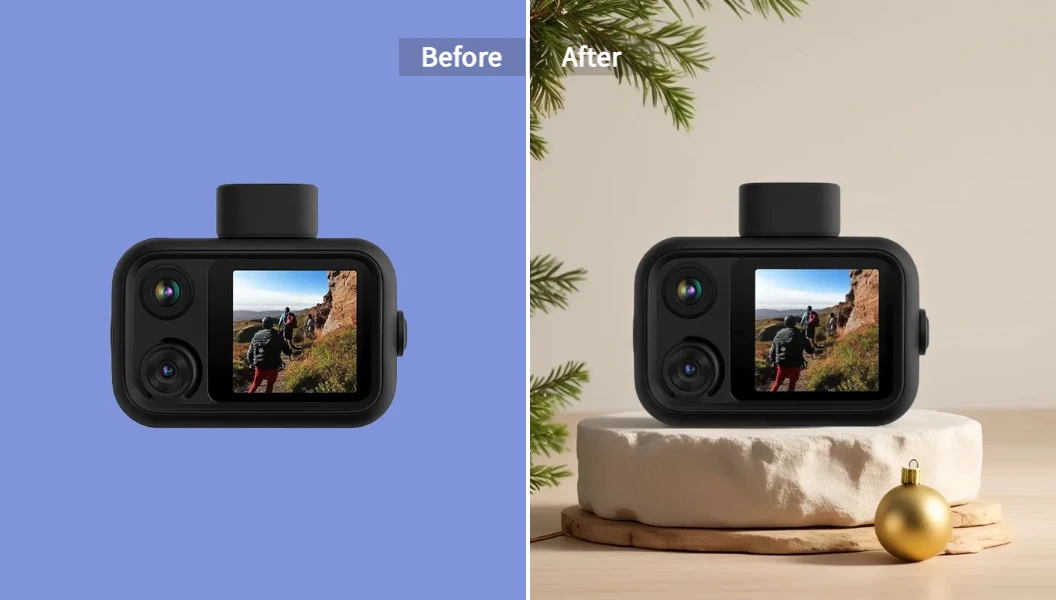
- AI Background Generator: make studio‑style product shots in seconds. Great for shops and social.
- AI Style Transfer: change the look of any image with one click. Keep content. Change vibe.
- AI Video Style Transfer: upload a short video and a style image. Get a stylized clip in seconds.
- Pricing: generous free starts. Paid unlocks higher resolution and batch work.
- Cons: deep pro controls are lighter than open‑source stacks. For heavy custom pipelines, use Pixelfox for 80% of the steps and jump to desktop for final tweaks.
2) Midjourney
- Good for: intense detail, strong stylization, concept art, environments.
- Why people love it: artistic bias is high. Feels “alive.”
- Cons: lives in Discord. Style consistency takes practice. License terms matter. Check them for your use.
3) DALL·E (OpenAI)
- Good for: text accuracy, layout control, smart inpainting.
- Why it works: strong prompt following. Good for open ai art tasks like icons or editorial images.
- Cons: capacity waves happen. Style range is broad but less edgy than some.
4) Stable Diffusion (SDXL and friends)
- Good for: full control, custom models, local privacy.
- Why it works: open ecosystem. Add LoRAs. Train your style.
- Cons: setup can be heavy. You maintain it. You debug it.
5) Adobe Firefly
- Good for: brand‑safe content, tight Photoshop/Illustrator integration.
- Why it works: trained on licensed data (as Adobe states). Great for enterprise.
- Cons: subscription stack. Heavy desktop installs.
6) Leonardo.ai
- Good for: game assets, 3D-ish looks, batch generation.
- Cons: queues can be long at peak hours.
7) Canva Magic Media
- Good for: quick social content, templates, easy text overlays.
- Cons: less control over fine detail.
8) Craiyon
- Good for: free play, quick drafts.
- Cons: quality varies. Good for idea warm‑ups, not final art.
Note on authority: Forrester often reports that teams save time when they replace manual steps with AI in design workflows. You feel that when you swap “hours of erasing backgrounds” with a 15‑second generate button. And HubSpot’s research on visual content engagement matches what we see in analytics: better images lead to lower bounce and more clicks.
Asking AI to draw something: the playbook
You want a clean method you can reuse. This is it. It works across many tools. It shines in Pixelfox.
Step 1: Set the intent
Say what you want in one sentence. Keep subject, action, and style.
- “A cozy coffee shop scene at dusk, warm lighting, cinematic.”
- “A product flat lay, white background, soft shadow, crisp edges.”
Step 2: Lock the subject
Be plain. Use simple nouns and adjectives. Avoid long chains.
- “Female, 20s, natural smile, brown eyes, short hair.”
- “Matte black headphones, over‑ear, minimal logo.”
Step 3: Choose the right tool path
- Portrait with line work? Use Pixelfox AI Image to Sketch Converter.
- Social avatar or manga look? Use the AI Anime Generator.
- Product on uniform studio background? Use the AI Background Generator.
- Same subject, new look? Use AI Style Transfer.
- Short clip with an art vibe? Use AI Video Style Transfer.
Step 4: Prompt with structure
Try this simple format:
- Subject: who or what.
- Scene: where and when.
- Style: the look or medium.
- Quality tags: “sharp focus, high detail, soft light, 4k.”
Example: “Matte black headphones on a white seamless background, soft shadow, product photography, sharp focus, high detail, studio lighting.”
Step 5: Iterate small
Do one change at a time. Tweak light. Tweak color. Tweak angle. Don’t write a novel. Short prompts beat long chains. You get faster wins.
Tip
Negative prompts help. Try “no blur, no extra fingers, no watermark, no text.” They often reduce unwanted junk.
Step 6: Fix spots with inpainting
If the hand looks off or the logo is smudged, use inpainting or “partial redraw.” Brush the area. Ask for the right detail. Keep the rest of the image locked. Pixelfox supports inpainting, so you can remove or replace objects without nuking the whole image.
Step 7: Export smart
Use PNG when you want clean edges. Use JPG when you want smaller files for the web. Keep originals in case you need to change them later.
Pro moves: how to use AI to create art that sells and sticks
You can go far with basics. You go pro with these.
- E‑commerce trick: instant white background
- Use Pixelfox AI Background Generator.
- Upload your product photo. Pick a clean white or a studio preset. Generate a few variations. Pick the one with the best edge and shadow.
- Add a soft ground shadow to avoid that “floating” look. Buyers click more when the product looks grounded.
-
YouTube thumbnail swap
- Use AI Style Transfer. Upload your face still and a bold style. Ask for punchy color, strong contrast, clean edges. Keep your expression. Change the vibe to match the video topic.
- Then add big text in your editor. Keep under 4 words. High contrast. That wins clicks.
-
Anime avatar set for social
- Use the AI Anime Generator. Create 3 looks in different moods. Keep the same angle. Keep the same hair. Use them across platforms. Your brand looks consistent.
-
Sketch‑to‑art pipeline
- Start with the AI Image to Sketch Converter to get clean lines.
- Then use style transfer to color it with watercolor or manga tones.
- This beats messy auto‑coloring. You keep line integrity.
Tip
Batch work saves time. Shoot all your products under the same light. Then run them in one go through the background generator. Consistency matters more than “perfect.”
Comparison with traditional workflows
AI vs Photoshop (and similar)
- Speed: AI gets you to 80% in seconds. Photoshop shines at the last 20%.
- Skill: AI lowers the barrier. Photoshop asks for years of muscle memory.
- Control: Photoshop is exact and layered. AI is directional but now adds inpainting and masks.
- Cost: AI tools can be cheaper for small teams who don’t need the full Adobe stack.
- When to pick Photoshop: composite work, precise typography, print bleed, brand systems. Use AI to draft and Photoshop to finish.
Pixelfox vs other online tools
- Pixelfox aims at clarity. It splits tasks by goal: sketch, anime, style, background, video. Less guessing. More output.
- Anime support: Pixelfox keeps character identity well and supports up to 5 people at once. Many “ai art app” tools break with groups.
- Backgrounds: The background generator makes realistic shadows and studio looks. Others often make harsh cutouts or fake shadows.
- Privacy: Pixelfox states that your images are processed securely and kept private. In a world where art and identity mix, that matters.
According to Statista, creative AI tools grow fast in both consumer and pro markets. According to Forrester, the best ROI comes when teams standardize on a few reliable tools and document a repeatable workflow. This is why a focused tool like Pixelfox becomes the hub and not the mess.
Real‑world case studies
-
Case 1: Solo seller, handmade goods
- Problem: Photos looked messy. Random backgrounds. Inconsistent light.
- Move: Used Pixelfox AI Background Generator to switch to clean studio scenes with soft shadows and a simple color set.
- Result: Faster listing flow. Cleaner shop grid. Fewer returns due to “color looked different” complaints. Time to publish went from hours to minutes per product.
-
Case 2: Indie YouTuber, tech explainers
- Problem: Thumbnails looked bland. No style. No face consistency.
- Move: Used AI Anime Generator for a stylized avatar. Used AI Style Transfer to keep a bold brand vibe across episodes. Kept the same angle and expression. Changed color by topic.
- Result: Higher click‑through on new videos. Better recognition. More comments from viewers who felt the style fit the content mood.
Industry context: Nielsen Norman Group notes that visual coherence boosts user trust. You just saw two simple ways to get it without a studio budget.
Fill the gaps: the stuff listicles skip
- Style consistency across a whole set
- Make a mini “style bible.” Keep 3 prompt snippets for light, color, and contrast. Paste them into every run. Don’t start from zero each time.
- Rights and licensing
- Read the terms for every ai painter. Some allow full commercial use. Some have limits. Adobe Firefly states it trains on licensed content. Getty offers image models with clear licensing. Choose what fits your risk level.
- Accessibility
- Add alt text when you publish. Use simple words. Help real people. Help Google. Two birds.
Common mistakes and how to fix them
- Mistake: You ask for 10 things in one prompt.
- Fix: Ask for one main thing. Add 1–2 style tags. That’s it.
- Mistake: You ignore negative prompts.
- Fix: Add “no blur, no text, no watermark, no extra fingers.” It helps a lot.
- Mistake: You rely on one seed.
- Fix: Generate 4–8 seeds. Pick the best baseline. Iterate on that.
- Mistake: You upscale too late.
- Fix: Generate at decent resolution at the start. Soft images never get truly sharp later.
- Mistake: You use random background colors for product shots.
- Fix: Pick 1–2 brand colors or pure white. Keep it consistent. Use the background generator.
- Mistake: You skip face preservation for anime avatars.
- Fix: Use a tool that keeps identity. Pixelfox’s Anime Generator is built for this and supports multiple people.
- Mistake: You don’t lock the story across images.
- Fix: Save and reuse your top prompts. Keep a text file. Boring, yes. But it works.
How to ask artificial intelligence to draw exactly what you want
Here’s a template you can copy today:
- Subject: “Young woman, natural makeup, short brown hair, soft smile.”
- Framing: “Head and shoulders, eye level.”
- Scene: “Soft window light, indoor, warm tone.”
- Style: “Photo‑real, high detail, film grain light.”
- Quality: “Sharp focus, skin texture, clean background.”
- Negative: “No blur, no extra fingers, no watermark, no text.”
Then run it. If it misses the mark, change one thing. If the face looks off, add “symmetry, accurate eyes.” If the vibe is cold, add “warm light, golden hour.”
When you want line art, different move:
- Subject: “Urban street, rainy night, neon signs.”
- Style: “Ink sketch, cross‑hatching, high contrast.”
- Tool: AI Image to Sketch Converter. Upload a photo. Let the model trace shapes and tone with pencil‑like strokes. Export and print.
When to reach for an ai drawing enhancer
You got an image. It’s close. You want it crisp.
- Use inpainting to fix small parts like hands, glasses, or logos.
- Use style transfer as a gentle “look” layer. Don’t crush detail. Ask for “keep structure” or “preserve content.”
- Use background generator to clean the stage. Remove noise. Add a real‑looking shadow.
- Save your final as PNG for edges and JPG for speed on the web.
Ethics, safety, and the long game
This space moves fast. So do guardrails.
- Data sources matter. Some tools train on licensed sets. Some are a mix. If you run a brand, pick tools with clear rights. This is why many teams lean on Adobe Firefly or Getty’s models for specific use cases.
- Style “borrowing” is sensitive. Be a good actor. Build your own look. Think long term.
- Privacy isn’t a bonus. It’s table stakes. Pixelfox states that uploads and results stay private and secure. That’s the baseline you want.
- Trend watch: AI + AR, AI + video, and better “image to style” transfer. Expect faster runs and cleaner controls in 2025.
Frequently asked questions
-
How do I tell AI what to draw without getting a mess?
- Keep it short. Subject, scene, style, quality, negative. Change one thing per run. Use inpainting for small fixes.
-
Why do hands and text look wrong sometimes?
- Complex shapes and letters are hard for many models. Add negative prompts for errors. Use inpainting to repair. For text on designs, add it in your editor after you get the image.
-
Can I use AI art for commercial work?
- Yes, in many cases. It depends on the tool’s license and your use. Read the terms. Tools like Adobe Firefly and Getty models focus on licensed data. Pixelfox supports commercial use for outputs you generate, and it processes content privately.
-
What is the difference between an ai painter and an ai drawing enhancer?
- An ai painter makes new images from text or images. An ai drawing enhancer fixes or upgrades what you already have. Inpainting, background swaps, and style transfer are enhancers.
-
How is Pixelfox different from a general “ai art app”?
- Pixelfox breaks down tasks: sketch, anime, style, background, video. It focuses on identity preservation, realistic shadows, and fast results. It also supports multi‑person anime portraits and keeps privacy front and center.
A short step‑by‑step with Pixelfox (from upload to download)
- Upload your image to the right tool. Portrait? Sketch or Anime. Product? Background. Need a new look? Style Transfer.
- Pick a preset. For anime, try Manga, 3D, or Chinese Painting. For backgrounds, pick white studio or a branded color.
- Generate. Review 2–4 results. Pick the one that feels right.
- Fix small parts with inpainting if you need it.
- Download high‑res and publish.
Tip
Keep a “prompt bank.” Save your best 5 prompts for portraits, products, and thumbnails. Reuse them. Your style will stay tight across posts and projects.
The quick “why Pixelfox” checklist
- It’s focused. You don’t dig through 50 sliders to get a clean result.
- It’s fast. Most runs take seconds.
- It’s practical. You get sketch, anime, background, style, and video tools in one place.
- It’s private. Your files stay yours.
- It’s flexible. It handles one face or five, a product or a scene, a photo or a video.
And yes, it’s an ai that will draw for you. It makes the jump from “cool demo” to “daily tool.”
You came here for a tool that works, and a process that sticks. You got both. You learned how to ask ai to draw something, how to build a repeatable system, how to avoid the classic fails, and how to turn AI into a real workflow. You saw how Pixelfox AI’s focused tools—sketch, anime, background, style, and video—solve common blockers. You can now pick an ai painter, run an ai drawing enhancer, and move work from “idea” to “publish” without drama. Ready to try the ai that will draw for you? Jump into Pixelfox AI and make your first image today. Or go deeper with style transfer and anime avatars and build your brand look this week. 🎨✨
—
Author: A content strategist who has shipped AI art workflows for creators and brands since 2014. I test tools, document steps, and care about ethics and clarity. No fluff. Just results.